Vitamin D, Zinc, and Vitamin C: What Deficiency Data Shows
Vitamin D status is one of the strongest single predictors of immune function outcomes in the observational literature. Zinc and vitamin C with flavonoids each add a distinct mechanistic layer. Here is what the primary research actually measured.

Vitamin D deficiency is not a fringe concern. Depending on the cutoff used, estimates from large population surveys place somewhere between 40 and 70 percent of adults in the United States below the 30 ng/mL serum threshold that most clinical researchers treat as adequate. That number matters because the observational literature on vitamin D and immune function outcomes is unusually consistent for a micronutrient, and because supplementation trials have repeatedly shown the strongest signals in people who started deficient rather than in people who were already replete. The pattern is not subtle: starting low, correcting status, and watching the downstream markers move is the clearest signal vitamin D research has produced.
Why deficiency is the variable that unlocks the signal
Vitamin D receptors appear on nearly every immune cell type, including T cells, B cells, macrophages and dendritic cells. The active hormonal form, 1,25 dihydroxyvitamin D3, modulates the transcription of genes involved in both innate and adaptive immune responses. In vitro work has shown that monocytes exposed to the active form upregulate cathelicidin, an antimicrobial peptide. Human trials, however, have shown consistently that the effect on clinical outcomes like respiratory infection frequency is concentrated in the deficient population. When the baseline level is already adequate, adding more vitamin D does not appear to move the needle in a meaningful way. This is a dose response relationship that looks flat at the top and steep at the bottom, which is exactly the shape you would expect from a nutrient whose receptor is already saturated in replete individuals.
That concentration of benefit in deficient populations is also a useful epistemological model for reading supplementation research generally. The question is not just whether a compound works, but whether the population in the trial was the population where a deficiency gap existed to close. A large randomized trial that enrolls people who are already replete will systematically underestimate the true effect of repletion. This issue, how study design and population selection shape the apparent efficacy of an intervention, is the same methodological problem that a Nautilus investigation into cancer screening statistics examines at length: when tests or interventions are applied uniformly across populations with very different baseline risks and baseline statuses, the aggregate result can obscure dramatic heterogeneity in who actually benefits.
Zinc: direct antiviral mechanism, form matters for absorption
Zinc's antiviral activity in tissue culture work is well documented. In vitro assays have shown that zinc ions can interfere with viral replication, particularly the RNA dependent RNA polymerase activity of certain RNA viruses. At physiological concentrations, zinc inhibits the proteolytic cleavage of viral precursor proteins, slowing assembly. Those are cell culture findings and their magnitude does not transfer directly to a whole organism. But the mechanistic substrate is there, and it connects to the clinical trial literature on cold duration.
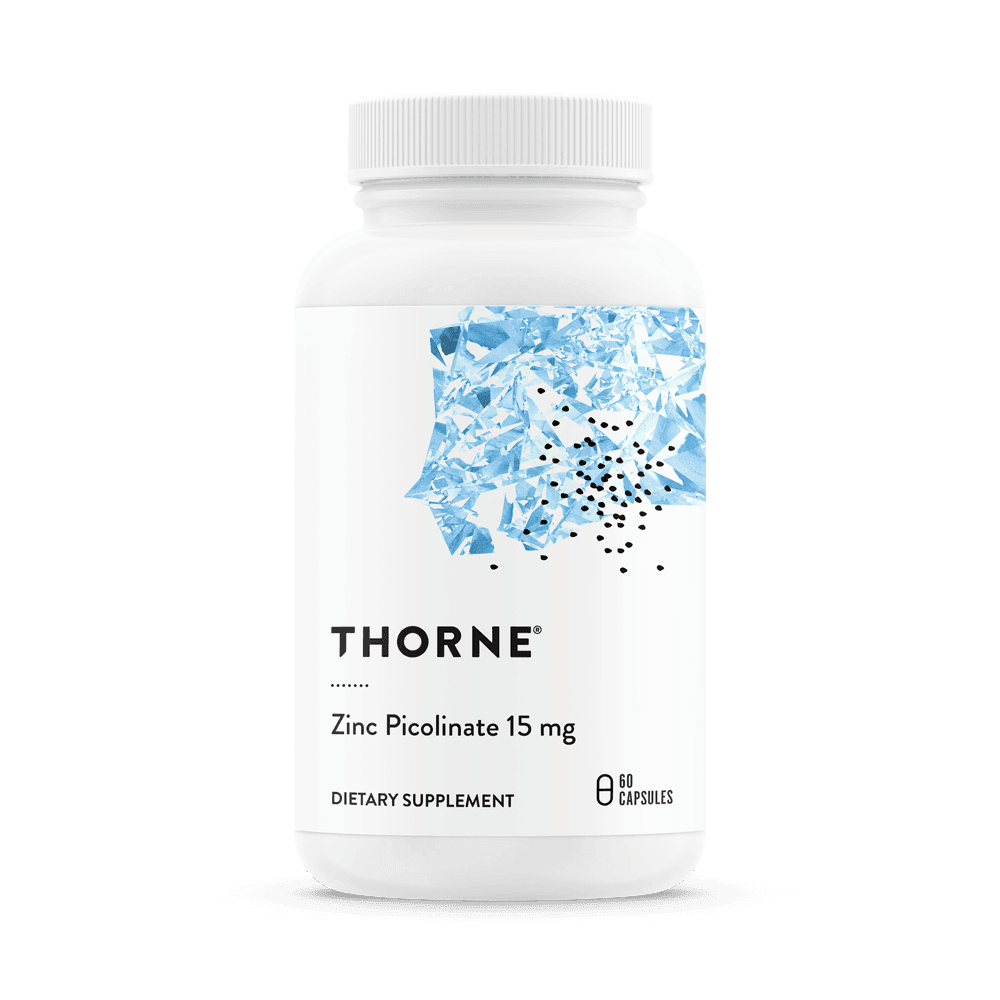
Randomized controlled trials on zinc and upper respiratory tract illness duration have shown variable results, with effect size strongly tied to lozenge formulation, dose, and timing of initiation. Meta analyses of zinc acetate and zinc gluconate lozenges have reported reductions in illness duration on the order of 33 to 40 percent when zinc is initiated within 24 hours of symptom onset at doses of 75 mg per day or above. That is a human trial finding, not an extrapolation from in vitro work. The formulation question is real: zinc picolinate is chosen over gluconate or oxide in many formulations not for marketing reasons but because the picolinic acid ligand enhances gastrointestinal absorption by facilitating transport across the intestinal mucosa. That absorption difference has been demonstrated in human pharmacokinetic comparisons, and it matters when the therapeutic effect depends on achieving adequate tissue zinc levels.
Zinc is also a cofactor for thymulin, a thymic hormone involved in T cell maturation. Deficiency states, even mild ones, are associated with measurable reductions in thymulin activity. The global prevalence of marginal zinc deficiency is estimated at around 17 percent in adults, concentrated in populations with low dietary diversity. The immune function implications of that deficiency are not dramatic in isolation but compound against other micronutrient gaps in a way that observational research can detect even when experimental trials on single compounds in replete populations cannot.
Vitamin C with flavonoids: why the food pairing is not accidental
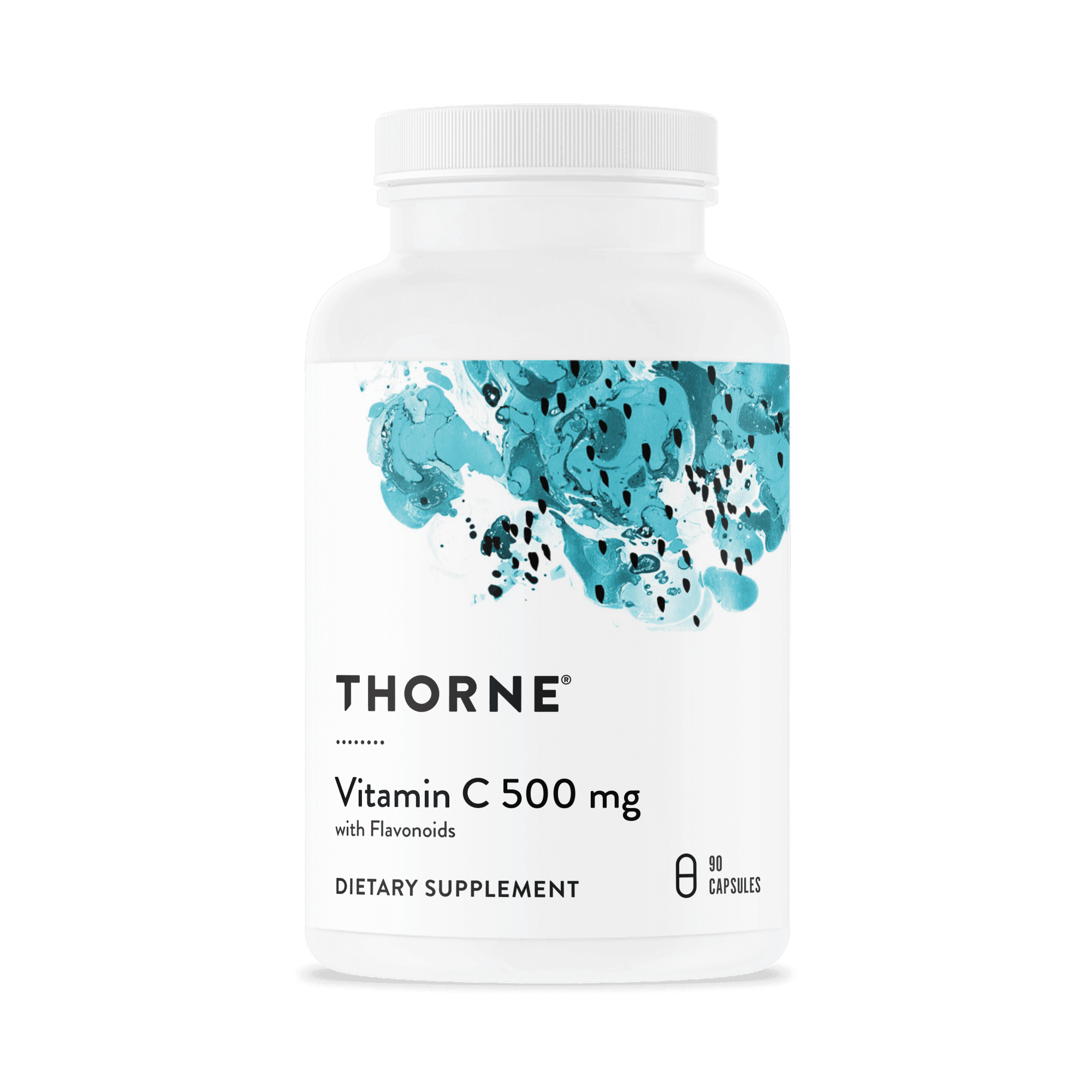
Ascorbic acid is absorbed in the small intestine via the sodium dependent vitamin C transporter SVCT1. At doses above roughly 200 mg, absorption efficiency drops steeply due to transporter saturation, which is why plasma vitamin C levels plateau even as oral dose increases. The case for co administering citrus flavonoids alongside ascorbic acid rests on evidence that polyphenols in the flavonoid class, particularly hesperidin and quercetin, modulate vitamin C uptake kinetics and retention. Human pharmacokinetic studies have shown higher plasma ascorbic acid concentrations and slower urinary excretion rates when vitamin C is delivered alongside citrus bioflavonoids compared to ascorbic acid alone. The pairing reflects a food architecture that preceded the supplement industry by millennia: whole citrus fruits contain both ascorbic acid and the flavonoid matrix simultaneously, and the two appear to have co evolved in a form that the body processes more efficiently than the isolated compound.
Vitamin C at the tissue level supports immune function through several routes. It accumulates in neutrophils at concentrations up to 50 times higher than plasma, supporting their oxidative burst function. It regenerates vitamin E from its oxidized form. It is required for the hydroxylation steps in collagen synthesis, which has relevance for maintaining mucosal barrier integrity at the respiratory epithelium. Whether oral supplementation at practical doses meaningfully shifts these functional parameters in people who are already replete is less clear; as with vitamin D, the strongest signals in human trials tend to come from deficient or highly stressed populations.
The long time horizon problem: why evidence accumulates slowly
One of the underappreciated challenges in evaluating immune supplement research is the signal to noise problem over time. Immune events are stochastic. Any single person will experience highly variable outcomes depending on pathogen exposure, sleep, psychological stress, concurrent nutritional status and dozens of other factors. That variability means large trials and long follow up windows are required to detect modest but real effects. The literature has been slow to accumulate that evidence, partly because immune outcomes are not as amenable to surrogate markers as, say, bone density or plasma lipids.
This problem has an analogy in a different domain entirely. An Aeon documentary on a New Mexico land art installation designed to be read across 13,000 years explores what it means to build something whose meaning only becomes legible over an almost incomprehensibly long time window. The observatory collapses past and future into a single present observation. The conceptual problem it poses is relevant here: we want to know whether daily vitamin D and zinc repletion reduces the frequency of illness over a lifetime. But the trials we can actually run measure a few months in a few hundred people. We are trying to read a 13,000 year signal through a six month aperture. The observational literature, which can follow populations for decades, provides the long window. The randomized trial provides the causal anchor. Neither is fully interpretable without the other.
How computational tools are beginning to change formulation research
The question of which mineral form, which delivery vehicle, and which molecular companion optimizes absorption and tissue retention has historically been answered slowly through iterative human pharmacokinetic trials. A newer approach is beginning to work upstream. A framework called SABLE described in an arXiv preprint on agentic Bayesian ligand exploration, applies natural language guided AI orchestration to the problem of optimizing molecular structures across competing constraints including absorption, selectivity and metabolic stability. The system was designed for pharmaceutical hit to lead optimization, where the goal is to iterate rapidly on candidate molecules before committing to synthesis. The same computational architecture, combining reaction templated analog design with Bayesian optimization and property prediction, is directly applicable to the formulation chemistry questions that supplement ingredient researchers face: how does changing the counterion of a mineral salt affect mucosal uptake, and how does adding a polyphenol ligand change plasma retention? Those are not yet the questions the supplement industry is asking this framework to answer, but the tools now exist to ask them rigorously rather than empirically one trial at a time.
The information management problem for health conscious adults
The foundational micronutrient story, vitamin D status, zinc form, vitamin C with flavonoids, is not new. What is new is the density of the information environment around it. Anyone who has tried to evaluate a supplement label that lists a dozen compounds, cross referenced against podcast show notes, blog posts and PubMed abstracts, knows that the bottleneck is not access to information but synthesis of it. The Evipedia browser extension launched by Forever Healthy is a direct attempt to address that problem, providing contextual evidence summaries as users browse health and longevity content. The practical gap it is designed to close is the same gap we think about on this blog: between a motivated adult reader and the primary literature that would let them actually evaluate what they are taking. Tools that lower that friction are worth tracking.
What the formulation decisions actually reflect
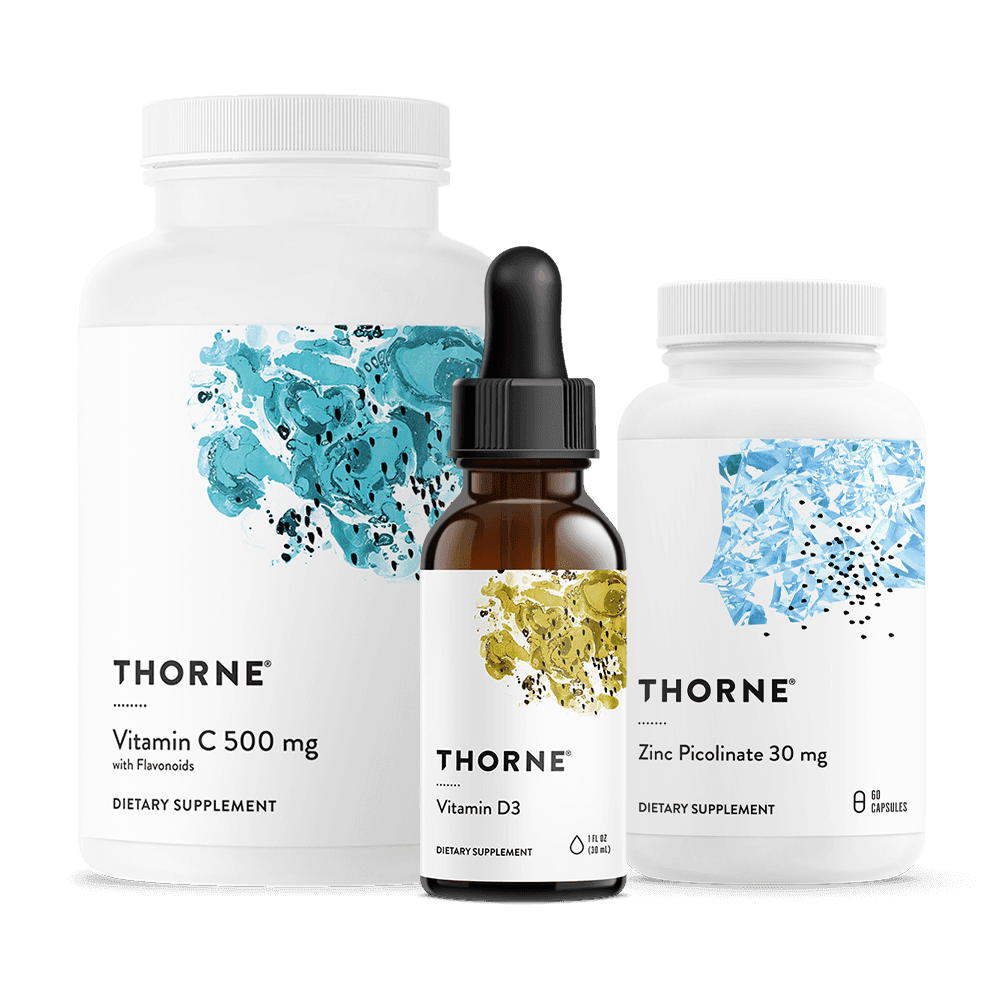
When we look at the three compounds together, the formulation logic is consistent. Vitamin D3 rather than D2, because human trials on plasma 25 hydroxyvitamin D response have shown D3 raises and sustains serum levels more effectively than D2 at matched doses. Zinc picolinate because the gastrointestinal absorption data favors it over zinc oxide or sulfate in comparative human studies. Vitamin C paired with citrus bioflavonoids because the pharmacokinetic retention data supports the pairing over ascorbic acid alone. None of these choices are arbitrary, and none of them should be taken on faith. The question to ask of any product making these decisions is whether the formulation choices were made in response to the pharmacokinetic literature or in response to what sounds compelling on a label.
The same critical posture applies to dose. Vitamin D supplementation trials in deficient populations have generally used doses between 1,000 and 4,000 IU daily to move serum levels meaningfully. Higher doses can be appropriate in severely deficient individuals but carry the theoretical risk of toxicity above sustained intake around 10,000 IU per day in most adults. Zinc at therapeutic doses for cold duration in the lozenges literature has used 75 mg per day for short term intervention, but daily supplementation at that level is not the same as the lozenges trials: chronic zinc intake above roughly 40 mg per day can interfere with copper absorption over time, which is why the literature on maintenance zinc supplementation generally recommends lower doses paired with attention to copper status. These are nuances the product label rarely communicates.
What the evidence base does not yet resolve
The deficiency correction story for vitamin D is well supported. What is not well established is the optimal serum target above which no further immune benefit accrues. The observational data shows associations up to around 40 to 60 ng/mL in some analyses, but interventional trial data above 30 ng/mL does not reliably show incremental benefit. That is a meaningful gap between observational correlation and causal trial evidence, and it mirrors a broader problem in precision nutrition: the optimal range for a given biomarker is not necessarily the range where average risk is lowest in observational data, because observational data reflects reverse causation, confounding and population heterogeneity in ways that randomized trials control for but that the observational literature cannot.
The flavonoid and vitamin C interaction literature, while mechanistically coherent and supported by human pharmacokinetic data, has not been tested in large randomized trials powered for clinical immune outcomes. The pharmacokinetic signal (better retention, higher plasma levels) is real. Whether that translates to a measurably different clinical endpoint in a prospective trial is the question the field has not yet answered at scale. That gap between a pharmacokinetic finding and a clinical outcome finding is precisely the kind of distance that a Nautilus report on large scale geological events captures in a different register: sometimes a striking measurable signal, an ice shelf the size of Manhattan calving into the ocean, is legible and dramatic, while its downstream consequences for sea level, ocean circulation and coastal exposure unfold across timescales that are genuinely uncertain even to the researchers closest to the data. A pharmacokinetic advantage is the calving event. The clinical outcome is the downstream consequence, and its magnitude is still being measured.
For informational purposes only. These statements have not been evaluated by the FDA. Not intended to diagnose, treat, cure, or prevent any disease. Consult a qualified healthcare professional before starting any supplement, especially if pregnant, nursing, or taking medication.
Products Mentioned
Products from the Paragon catalog related to the topic discussed above.